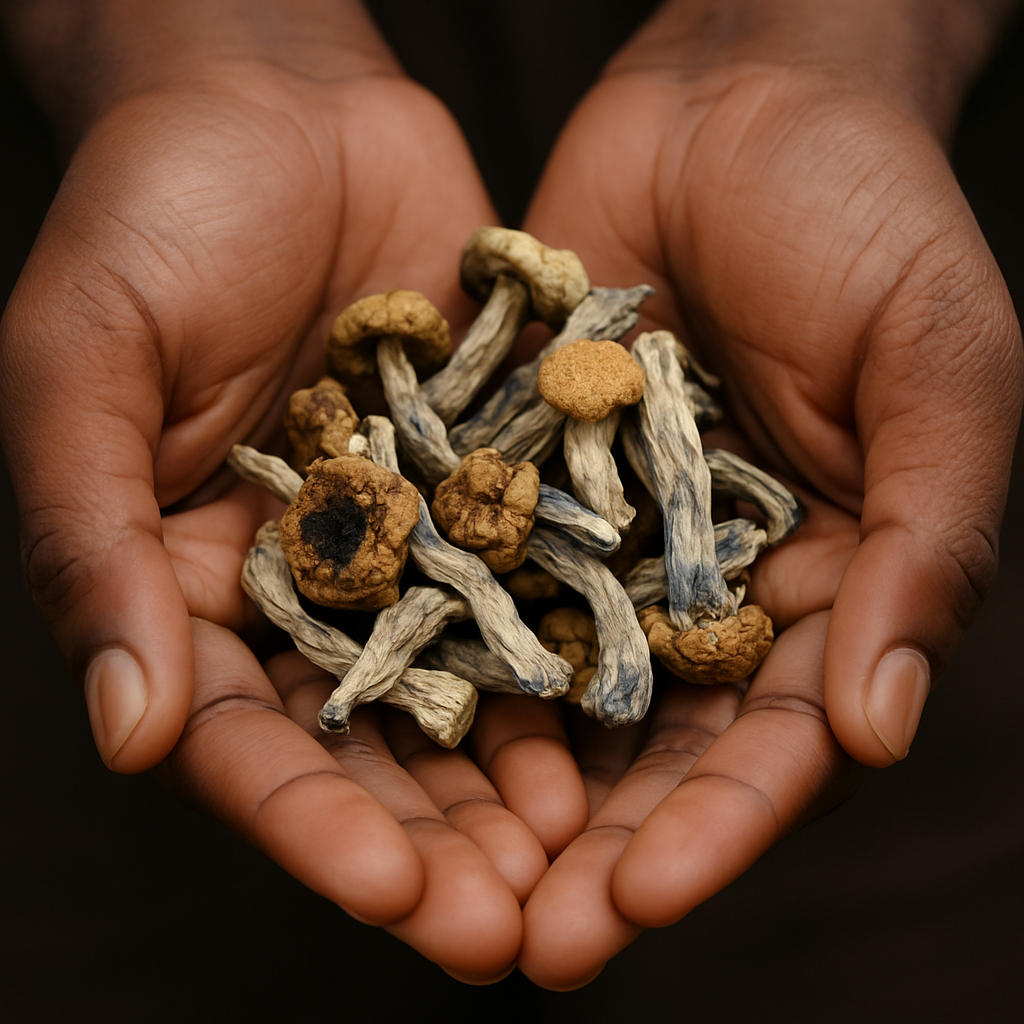
The realm of therapy never stops evolving, expanding, and experimenting. In other words, there is so much more out there than the standard pop culture portrayals would imply. For example, did you know that psychedelic-assisted psychotherapy (PAP) is a thing? What once might have been viewed as an artifact from the days of hippies, psychedelic drugs are still around and serving important new purposes.
As you might imagine, this approach has participants ingesting a substance derived from a psychedelic plant or chemical. Substances like psilocybin, DMT, ketamine, and even LSD can induce a state of mind that is conducive to deep discovery and deep healing. But how does PAP work, and who can it help?
Psychedelics and Your Brain
An important component of PAP is related to how it interacts with serotonin. This chemical is crucial in its influence on how we feel. In proper amounts, serotonin can have a positive impact on how our body works, while also shifting our thought patterns. The outcomes made possible via PAP and increased serotonin levels might include:
- More effective processing of memories (including traumatic memories)
- Greater neuroplasticity in the brain, and thus, valuable new neural connections
- Thinking patterns become more flexible
Of course, depending on the condition being treated and the psychedelic substance being used, there are variations on such themes. But these general goals can facilitate benefits like:
- Rapid, sustainable results: Generally speaking, PAP provides big-time improvements in relatively short treatment periods — and such results are long-lived.
- Emotional regulation and processing: The use of psychedelics is associated with an improved ability to regulate one’s emotions and a lower likelihood of feeling triggered when exploring negative or traumatic memories and thoughts.
- Spiritual life: However you define this aspect of your life, you can achieve a deeper sense of purpose of meaning via PAP.
What Are the Most Commonly Used Psychedelics?
DMT
Available in its natural plant form and a newer synthetic version, DMT (dimethyltryptamine) packs a lot of power into short treatment bursts. With one of its active ingredients being ayahuasca, it’s probably no surprise that DMT can bring about intense feelings of happiness, unlock blocked memories, and elevate one’s spiritual and emotional awareness.
Ketamine
What started as an anesthetic is now a potential antidepressant. Ketamine, typically given by licensed professionals in microdoses, has been reported to provide immediate results in reducing symptoms of depression. It also shows solid results with drug addiction, pain management, and bipolar disorder.
MDMA
In the outside world, MDMA is called “ecstasy.” In the controlled world of clinical treatment, this translates into a modality that can help counteract the negative outcomes of trauma. Studies with people diagnosed with post-traumatic stress disorder (PTSD) have been quite promising.
LSD
LSD (lysergic acid diethylamide) has come a long way since its trippy and controversial beginnings in the 1960s. In a therapeutic setting, LSD is now used to help patients transform the negative and self-sabotaging thought patterns related to conditions like depression, addiction, and anxiety.
Psilocybin
There was once a time when the idea of “magic mushrooms” achieving mainstream acceptance seemed impossible. But today, psilocybin and altered perceptions are regularly used to treat depression and anxiety. Even one dose can be enough to create dramatic positive change.
Where Do You Go From Here?
To be clear, the burgeoning success of psychedelic-assisted therapy is not an invitation to tinker with self-treatment. These are powerful entities that require support and supervision from medical practitioners. If you or someone you know might benefit from PAP, I urge you to reach out to get your questions answered. I’d be happy to guide you on this healing journey.
Contact Us